Fast-Food Stocks
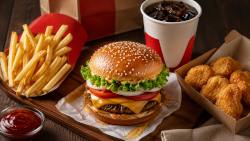
Fast-food chain stocks represent companies in the quick-service restaurant industry. This category is known for its resilience during economic downturns, consistent demand, and strong global presence. Investors are drawn to these stocks for their potential for steady returns and innovation in food technology and delivery models.
Stock | Market Cap | Revenue | Price to Earnings | Dividend Yield | Explanation | |
|---|---|---|---|---|---|---|
 | MCDMcDonald's Corp | 195.0B | 27.70B | 22.2 | 2.68 | McDonald's is a leading global fast-food chain, offering a diverse menu that includes burgers, chicken items, breakfast selections, and beverages. Its franchise model allows for extensive operation and adaptation of offerings across various regions. |
 | SBUXStarbucks Corp | 123.6B | 38.33B | 62.38 | 2.27 | While primarily known for coffee, Starbucks also provides quick-service food options in its stores, positioning itself within the fast-food landscape, particularly with its offerings of lite bites and pastries. |
 | CMGChipotle Mexican Grill Inc | 41.30B | 12.42B | 29.1 | 0 | Chipotle operates as a fast-casual dining chain, offering quick-service meals that prioritize quality and convenience, making them a prominent player in the fast-food industry. |
 | YUMYum! Brands Inc | 41.02B | 8.72B | 18.51 | 1.97 | Yum! Brands operates several well-known fast-food restaurant chains, including KFC, Taco Bell, Pizza Hut, and The Habit Burger Grill, offering a range of quick-service food options globally. |
 | QSRRestaurant Brands International Inc | 26.12B | 9.69B | 20.52 | 4.38 | Restaurant Brands International Inc. operates well-known fast-food brands such as Tim Hortons, Burger King, Popeyes, and Firehouse Subs, making it one of the largest quick service restaurant companies globally. |
 | YUMCYum China Holdings Inc | 16.40B | 12.43B | 16.82 | 2.79 | Yum China operates KFC, which is the leading quick-service restaurant (QSR) brand in China, and is renowned for its Original Recipe® chicken along with a wide array of localized menu offerings. |
 | TXRHTexas Roadhouse Inc | 14.06B | 6.23B | 34.04 | 1.4 | Through its fast-casual restaurant concept, Jaggers, Texas Roadhouse provides a more quick-service dining experience with options like hand-breaded chicken tenders and burgers, catering to changing consumer preferences for convenience and speed in dining. |
 | DPZDomino's Pizza Inc | 11.70B | 5.02B | 19.62 | 2.09 | Domino's Pizza Inc. operates as a fast-food chain specializing in pizza, providing quick-service food options primarily through delivery and carryout services. |
 | BROSDutch Bros Inc. | 8.91B | 1.88B | 96.48 | 0 | Dutch Bros operates a fast-paced drive-thru coffee shop model, emphasizing speed and customer service, akin to fast-food restaurant operations, but focusing primarily on beverage offerings. |
 | CAVACava Group, Inc. | 8.11B | 1.37B | 122.48 | 0 | Operating in the fast-casual dining sector, CAVA runs multiple restaurant locations where customers can enjoy Mediterranean meals quickly, which fits within the fast-food model. |
 | LWLamb Weston Holdings Inc | 7.30B | 6.61B | 25.18 | 2.84 | Lamb Weston supplies its frozen potato products to a wide customer base that includes major fast-food chains, such as McDonald's, which makes it integral to the fast-food industry's supply chain. |
 | MZTILancaster Colony Corp | 3.17B | 1.94B | 18.07 | 3.39 | Lancaster Colony collaborates with fast-food chains like Chick-fil-A for custom products, serving the fast-food industry's needs with specialized sauces and dressings. |
 | SHAKShake Shack Inc | 3.11B | 1.55B | 78.5 | 0 | Shake Shack operates as a fast-casual restaurant chain, serving elevated versions of classic American foods, including burgers, chicken sandwiches, and milkshakes. |
 | WINGWingstop Inc | 3.05B | 720.7M | 26.23 | 1.09 | Wingstop is primarily a fast casual restaurant chain that specializes in chicken wings, making it a significant player in the fast-food segment. Its business model includes a wide variety of menu offerings such as classic wings, boneless wings, tenders, and chicken sandwiches, which are served quickly to customers in a casual dining environment. |
 | JJSFJ&J Snack Foods Corp | 1.67B | 1.52B | 33.98 | 3.64 | The company's food service segment caters to various establishments, including fast-food restaurants, indicating its relevance to the fast-food chains category. |
Future Outlook
- Expansion into Emerging Markets: Fast-food chains are increasingly penetrating emerging markets, where growing middle-class populations and urbanization drive demand. This expansion opens up substantial revenue streams and broadens customer bases.
- Adoption of Digital Technology: Companies are integrating mobile apps, AI-driven marketing, and streamlined online ordering systems to enhance customer experiences and optimize operations. This digital transformation is boosting efficiency and customer retention.
- Focus on Sustainable Practices: With rising consumer awareness of environmental issues, many chains are adopting sustainable sourcing, eco-friendly packaging, and waste reduction strategies, enhancing their brand appeal and market competitiveness.
- Diversification of Menu Offerings: Chains are introducing plant-based and health-conscious menu items to attract a broader demographic and meet evolving dietary preferences, creating new growth avenues.
Risk Analysis
- Economic Downturns: During prolonged economic recessions, consumers may reduce discretionary spending, affecting sales even in a relatively stable sector like fast food.
- Rising Input Costs: Increased costs for ingredients, labor, and transportation can squeeze profit margins, especially as companies try to maintain competitive pricing.
- Regulatory Challenges: Stricter health regulations and government interventions, such as taxes on sugary drinks or mandates for nutritional transparency, could increase operational costs or limit product offerings.
- Intense Market Competition: The fast-food industry is highly competitive, with established brands constantly vying for market share. New entrants and shifts in consumer loyalty can disrupt market dynamics.


