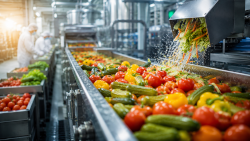
Food Production & Processing Stocks
Food production and processing stocks encompass companies involved in the agricultural, food manufacturing, and distribution sectors. These stocks are crucial to the global economy, driven by consumer demand, supply chain dynamics, and technological advancements. Investors monitor these stocks for stability, growth, and the potential impact of market and environmental changes.
Stock | Market Cap | Revenue | Price to Earnings | Dividend Yield | Explanation | |
|---|---|---|---|---|---|---|
 | WMTWalmart Inc | 923.2B | 725.3B | 40.61 | 0.87 | Walmart offers products in the grocery sector that includes food items sourced from various suppliers, thereby participating in the food production and processing aspects of the retail market. |
 | PEPPepsiCo Inc | 189.3B | 96.90B | 18.11 | 4.13 | The company produces a wide range of food products, including snacks (Lay's, Doritos, Cheetos) and cereals (Quaker Oats), making it a significant player in the food production industry. |
 | SBUXStarbucks Corp | 123.6B | 38.33B | 62.38 | 2.27 | Starbucks offers a range of food items, including pastries and ready-to-eat meals, aligning their product offerings with consumer preferences for quality and convenience. |
 | ITWIllinois Tool Works Inc | 83.30B | 16.46B | 26.08 | 2.2 | ITW specializes in commercial food equipment through its Food Equipment segment, offering a wide range of products such as warewashing machinery and cooking appliances that are essential for food production and processing. |
 | CMGChipotle Mexican Grill Inc | 41.30B | 12.42B | 29.1 | 0 | The company ensures high standards in food processing through quality assurance and food safety programs, highlighting its operational focus on maintaining freshness and quality in its offerings. |
 | YUMYum! Brands Inc | 41.02B | 8.72B | 18.51 | 1.97 | The company is involved in the fast-food sector, which encompasses food preparation and service, highlighting its role in food production through its extensive menu items. |
 | SYYSysco Corp | 40.49B | 83.56B | 23.33 | 2.53 | Sysco is the largest global distributor of food products, serving the foodservice industry with a vast range of offerings, including frozen foods, canned and dry foods, fresh produce, dairy products, and specialty import items. |
 | ADMArcher Daniels Midland Co | 38.42B | 82.09B | 21.71 | 2.61 | Through its Carbohydrate Solutions segment, ADM mills corn and wheat into essential ingredients such as sweeteners, syrups, starches, and flours, serving the food and beverage industry. |
 | HSYHershey Co | 37.01B | 12.16B | 24.86 | 3.02 | Hershey engages in food processing as it produces an extensive line of confectionery and snack products, emphasizing quality and innovation in its manufacturing processes. |
 | KRKroger Co | 34.34B | 148.6B | 32.62 | 2.59 | Kroger's business includes offering private label products, and it emphasizes food production through its extensive grocery offerings, ensuring quality and unique products under its various brands. |
 | CASYCaseys General Stores Inc | 31.04B | 17.56B | 43.46 | 0.27 | Casey's specializes in food offerings, particularly freshly prepared items like pizza, sandwiches, and hot breakfast foods, highlighting its role in food production at the convenience store level. |
 | CPNGCoupang, Inc. | 29.33B | 35.46B | -38.25 | 0 | Through Coupang Fresh and the ability to deliver groceries, Coupang is involved in the food sector, providing grocery products directly to consumers. |
 | KHCKraft Heinz Co | 29.08B | 24.9B | -8.57 | 6.52 | Kraft Heinz engages in the processing of various food items, which reflects its dedication to providing enhanced meal solutions and snacks, thus aligning with the food production and processing category. |
 | DOVDover Corp | 28.02B | 8.42B | 24.7 | 1 | The Climate & Sustainability Technologies segment offers equipment designed for commercial refrigeration and beverage can-making, directly involved in food production and processing industries. |
 | DRIDarden Restaurants Inc | 25.97B | 13.21B | 21.52 | 2.67 | Darden Restaurants operates numerous full-service restaurants that focus on diverse culinary offerings, including Italian cuisine at Olive Garden and premium dining experiences at fine dining establishments like Ruth's Chris Steak House and The Capital Grille. This category relates to the company as they produce and process food to serve in their facilities. |
Future Outlook
- Technological Advancements: The integration of automation, artificial intelligence, and biotechnology is transforming the food production process. Automation improves efficiency, while biotechnological innovations, such as genetically modified crops and lab-grown meats, offer sustainable solutions to meet global food demand.
- Sustainability and Ethical Consumerism: As consumers become more eco-conscious, companies focusing on sustainable sourcing, waste reduction, and ethical practices are gaining favor. This shift is expected to influence stock performance, as brands aligned with these values attract a growing base of loyal customers.
- Global Population Growth: The global population is expected to continue growing, especially in emerging markets. This demographic shift will drive demand for more food production and processing, creating long-term investment opportunities in companies that can scale efficiently and innovate to meet these needs.
- Plant-Based and Alternative Foods: With the rise in plant-based and alternative food products, companies investing in these areas are capitalizing on changing consumer preferences. Investors can look to companies focusing on these new categories for growth opportunities as the demand for meat alternatives increases.
Risk Analysis
- Environmental and Climate Risks: The food industry is heavily impacted by climate change, including extreme weather events, droughts, and changes in agricultural productivity. These environmental challenges can affect supply chains and increase operational costs, potentially leading to volatility in stock prices.
- Regulatory Risks: Food production and processing companies must navigate complex and evolving regulatory environments. Changes in food safety laws, environmental regulations, and labor standards can introduce unexpected costs or operational delays, affecting the profitability of companies in this space.
- Supply Chain Disruptions: Global supply chains are susceptible to disruptions, such as transportation delays, trade restrictions, or geopolitical tensions. These disruptions can lead to higher costs, product shortages, and reduced consumer demand, negatively affecting the financial performance of food industry stocks.
- Shifting Consumer Preferences: Consumer tastes are constantly changing, with growing demand for organic, plant-based, and locally sourced foods. Companies that fail to adapt to these shifting preferences risk losing market share, which can negatively impact their stock value.


