Sporting Goods Stocks
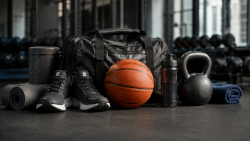
Sporting goods stocks include companies that manufacture, distribute, and sell sports equipment, apparel, and accessories. This sector is driven by trends in consumer fitness, outdoor recreation, and athletic performance. Investing in these stocks offers exposure to the global fitness and sports market, with potential for both growth and volatility.
Stock | Market Cap | Revenue | Price to Earnings | Dividend Yield | Explanation | |
|---|---|---|---|---|---|---|
 | NKENike Inc | 60.09B | 46.39B | 19.34 | 4.01 | Nike offers a comprehensive range of performance equipment and accessories, such as bags, socks, sport balls, and eyewear, which are crucial for athletic and recreational activities. |
 | DKSDick's Sporting Goods Inc | 18.13B | 19.20B | 20.05 | 2.36 | DICK’S Sporting Goods primarily operates as a retailer in the sporting goods industry, offering a wide range of sports equipment, apparel, footwear, and accessories across its physical stores and online platforms. |
 | BCBrunswick Corp | 5.20B | 5.62B | -60.53 | 2.17 | Brunswick's focus on recreational boating means they provide products and services related to leisure activities on water, which falls under the broader category of sporting goods. |
 | GOLFAcushnet Holdings Corp | 5.20B | 2.70B | 23.67 | 1.12 | Acushnet is a prominent manufacturer and distributor of performance-driven golf products, including golf balls, clubs, wedges, putters, gloves, and wearable gear. Their brands, Titleist and FootJoy, are well-established in the golfing community, emphasizing quality and performance. |
 | YETIYeti Holdings Inc | 3.98B | 1.93B | 22.27 | 0 | YETI specializes in high-performance outdoor products like coolers and drinkware that are essential for outdoor activities such as hunting, fishing, and camping, categorizing them within sporting goods. |
 | ASOAcademy Sports & Outdoors Inc | 3.05B | 6.14B | 7.97 | 1.17 | Academy Sports + Outdoors Inc. operates as a prominent retailer in the sporting goods industry, specializing in outdoor equipment, sports & recreational gear, apparel, and footwear, contributing significantly to its net revenue. |
 | CALYCallaway Golf Company | 2.95B | 1.15B | -11.2 | 0 | Topgolf Callaway Brands Corp. designs, manufactures, and sells golf clubs, balls, and related golf equipment, catering to both amateur and professional golfers. This places the company squarely in the sporting goods category. |
 | COLMColumbia Sportswear Co | 2.88B | 3.40B | 13.99 | 2.2 | Columbia Sportswear produces outdoor equipment and accessories that cater to active outdoor sports, such as climbing, skiing, and trail running, thus placing it within the sporting goods category. |
 | NWLNewell Brands Inc | 2.62B | 7.24B | -11.87 | 4.8 | Newell Brands' Outdoor and Recreation segment includes products tailored for active lifestyles, with brands like Coleman that offer camping and outdoor gear, linking to the sporting goods category. |
 | UAAUnder Armour Inc A | 2.04B | 4.93B | -4.16 | 0 | Under Armour is a key player in the sporting goods market, focusing on performance-oriented clothing, shoes, and accessories that meet the needs of athletes and active consumers. |
 | WWWWolverine World Wide Inc | 1.48B | 1.95B | 13.55 | 2.27 | With brands like Saucony® and Merrell®, Wolverine World Wide caters to athletic and outdoor sports markets, offering specialized footwear designed for performance, fitness, and outdoor activities. |
 | WINAWinmark Corp | 1.24B | 86.53M | 30.47 | 4 | Through its brand Play It Again Sports, Winmark operates in the sporting goods sector by facilitating the buy, sell, and trade of sporting equipment, catering to various sports and fitness needs. |
 | FOXFFox Factory Holding Corp | 912.9M | 1.46B | -3.06 | 0 | Fox Factory designs and manufactures high-performance components specifically for sports equipment, including baseball and softball gear under the Marucci brand. Their focus on performance and quality directly correlates with the sporting goods category. |
 | HELEHelen of Troy Ltd | 695.9M | 1.81B | -1.69 | 0 | Through its brand Osprey, Helen of Troy offers outdoor products including backpacks and travel accessories that cater to active and outdoor lifestyles, thus placing it within the sporting goods category. |
 | MBUUMalibu Boats Inc | 576.1M | 826.0M | -636.63 | 0 | The company offers boats specifically tailored for water sports activities such as skiing and wakeboarding, which qualifies them under the sporting goods category, as they provide equipment necessary for these recreational activities. |
Future Outlook
- Growing Demand for Fitness and Outdoor Activities: There is an increasing global demand for fitness and outdoor sports products as more people prioritize health and wellness. Companies that offer high-quality, innovative products catering to outdoor activities like running, hiking, and cycling are poised to benefit.
- Technology Integration in Sports Products: Sporting goods companies are incorporating advanced technologies like smart fabrics, wearable technology, and digital fitness platforms into their products. This trend helps brands differentiate their products and offers consumers a more immersive, data-driven experience.
- Focus on Sustainability and Eco-friendly Materials: Consumers are becoming more environmentally conscious, prompting sporting goods companies to adopt sustainable practices. This includes using eco-friendly materials, reducing waste, and adopting sustainable manufacturing processes.
- Expanding Global Markets: With emerging markets experiencing increased disposable income, companies are expanding their presence into these regions to tap into a growing consumer base. This includes China, India, and other developing countries where sports participation and outdoor recreation are increasing.
Risk Analysis
- Economic Cycles and Consumer Spending: The sporting goods sector is sensitive to economic cycles. During periods of economic downturns, consumer spending on non-essential items like sports equipment and apparel tends to decline, impacting companies' bottom lines.
- Intense Competition in the Industry: The sporting goods industry is highly competitive, with numerous established brands and new entrants. This intense competition can lead to price wars, reduced margins, and increased marketing costs, impacting profitability.
- Supply Chain Disruptions: Global supply chain disruptions, such as delays in shipping, increased costs of raw materials, and geopolitical tensions, can impact the ability of companies to produce and distribute products effectively. This can result in higher costs and reduced operational efficiency.
- Seasonal Fluctuations in Demand: The sporting goods industry is subject to seasonal demand fluctuations, with peak sales occurring during specific times of the year (e.g., summer for outdoor sports). Companies must carefully manage inventory levels and adjust production schedules to meet this demand.


