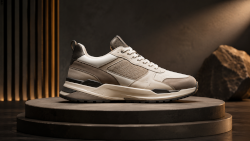
Footwear Stocks
Footwear stocks represent companies involved in the production, marketing, and retail of shoes, boots, and related products. These stocks offer a variety of investment opportunities, ranging from established global brands to emerging companies. Investors may find potential in both traditional retail and growing online platforms, influenced by consumer behavior and fashion trends.
Stock | Market Cap | Revenue | Price to Earnings | Dividend Yield | Explanation | |
|---|---|---|---|---|---|---|
 | TJXTJX Companies Inc | 168.5B | 61.58B | 29.12 | 1.12 | Both TJX’s TJ Maxx and Marshalls offer a selection of footwear, highlighting the company's commitment to providing a comprehensive assortment of products for all aspects of fashion. |
 | ROSTRoss Stores Inc | 79.63B | 23.77B | 34.39 | 0.68 | Ross Stores sells footwear as part of its merchandise mix, appealing to cost-conscious shoppers looking for brand-name shoes at reduced prices. |
 | NKENike Inc | 60.09B | 46.39B | 19.34 | 4.01 | Nike is recognized as the largest seller of athletic footwear globally, with innovative designs for various athletic functions and casual wear. |
 | TPRTapestry Inc | 31.36B | 8.00B | 20.53 | 1.04 | Stuart Weitzman, one of Tapestry's brands, specializes in luxury footwear, providing high-quality shoes designed to empower women. |
 | RLRalph Lauren Corp | 23.61B | 8.35B | 24.03 | 0.93 | Ralph Lauren provides a diverse array of footwear options including casual shoes, boots, and sneakers as part of its comprehensive lifestyle product offerings. |
 | BURLBurlington Stores Inc | 22.25B | 11.91B | 35.67 | 0 | Burlington's offerings include footwear, which is a significant part of their product line, catering to various demographics and brand preferences. |
 | DKSDick's Sporting Goods Inc | 18.13B | 19.20B | 20.05 | 2.36 | DICK’S Sporting Goods offers a comprehensive selection of athletic footwear, partnering with leading brands to provide customers with a variety of choices for performance and casual use. |
 | LULULululemon Athletica Inc | 13.10B | 11.20B | 8.98 | 0 | In addition to apparel, Lululemon offers a line of footwear designed to complement its athletic apparel offerings and support active lifestyles, catering to the needs of fitness enthusiasts. |
 | DECKDeckers Outdoor Corp | 12.44B | 5.52B | 12.26 | 0 | The core offering of Deckers includes a wide range of footwear products under its proprietary brands such as UGG, HOKA, Teva, Sanuk, Koolaburra, and AHNU, catering to casual, performance, and outdoor markets. |
 | LEVILevi Strauss | 8.63B | 6.61B | 13.51 | 2.52 | The company generates additional revenue through its brand value and licensing agreements, which include footwear products as part of its merchandise. |
 | URBNUrban Outfitters Inc | 6.63B | 6.31B | 14.05 | 0 | The company provides a selection of footwear as part of its merchandise offerings across various brands, enhancing the fashion experience for its customers. |
 | CROXCrocs Inc | 6.26B | 4.05B | 10.55 | 0 | Crocs Inc. is a global leader in casual lifestyle footwear, offering a range of products including their flagship molded clogs, sandals, and other shoe styles for men, women, and children. |
 | VFCVF Corp | 5.72B | 9.51B | 20.89 | 2.46 | The company offers a wide range of footwear products through its brands, particularly Vans® and Timberland®, catering to various lifestyles and activities including outdoor adventures and casual wear. |
 | GOLFAcushnet Holdings Corp | 5.20B | 2.70B | 23.67 | 1.12 | The FootJoy brand specializes in golf shoes, providing performance-oriented footwear designed to enhance golfers' on-course experience. This aligns Acushnet with the footwear category, focusing specifically on the needs of golfers. |
 | BOOTBoot Barn Holdings Inc | 4.86B | 2.34B | 20.07 | 0 | The company specializes in a substantial selection of western and work boots from various top brands, making footwear one of its primary product offerings. |
Future Outlook
- Sustainability and Eco-friendly Innovations: As sustainability becomes a core focus, companies are investing in eco-friendly materials and ethical manufacturing practices. This trend aligns with consumer demand for environmentally conscious products and could lead to increased market share for brands prioritizing green initiatives.
- Growth of E-commerce and Direct-to-Consumer Sales: Online retailing continues to expand, with more brands offering direct-to-consumer sales. This shift presents new revenue streams and allows companies to build stronger relationships with customers, bypassing traditional brick-and-mortar distribution channels.
- Technological Advancements in Footwear: From 3D printing to smart shoes, technology is revolutionizing the footwear industry. Innovations in product design and functionality can lead to new product lines, increased consumer interest, and a competitive edge for companies that adopt these advancements.
- Expansion in Emerging Markets: Emerging markets, particularly in Asia and Africa, present significant growth opportunities for footwear companies. Rising middle-class populations and increasing disposable incomes are driving demand for both affordable and luxury footwear brands.
Risk Analysis
- Supply Chain Disruptions: The global footwear industry relies on complex supply chains, which are vulnerable to disruptions due to factors like trade tensions, pandemics, or natural disasters. Such interruptions can lead to delays, increased costs, and reduced profitability for companies.
- Changing Consumer Preferences: Consumer tastes in footwear can shift quickly, with preferences influenced by fashion trends, social media, and cultural movements. Companies that fail to adapt to these changes risk losing market share to more agile competitors.
- Intense Competition and Price Pressure: The footwear market is highly competitive, with numerous brands vying for consumer attention. Price pressure from low-cost producers, especially in the athletic footwear segment, can erode profit margins for established companies.
- Economic Uncertainty and Consumer Spending: Economic downturns can negatively impact consumer spending on non-essential goods like footwear. During periods of economic uncertainty, consumers may prioritize basic necessities, which could lead to reduced sales and lower stock prices for footwear companies.


