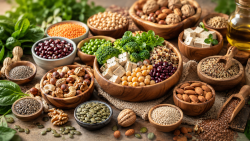
Plant-Based & Vegetarian Food Stocks
The plant-based and vegetarian product stocks category focuses on companies involved in the production and sale of plant-based foods, beverages, and alternatives to animal products. As consumer interest in health-conscious, sustainable, and ethical choices grows, this sector offers increasing opportunities for investors. The market is driven by innovation, regulatory support, and changing dietary preferences worldwide.
Stock | Market Cap | Revenue | Price to Earnings | Dividend Yield | Explanation | |
|---|---|---|---|---|---|---|
 | SFMSprouts Farmers Market Inc | 8.02B | 9.00B | 15.96 | 0 | The company features a diverse selection of plant-based and vegetarian options as part of their product range, appealing to consumers looking for healthier eating alternatives. |
 | COCOVita Coco Company Inc. | 3.81B | 706.0M | 34.85 | 0 | With a focus on natural and plant-based ingredients, such as coconut water and coconut milk, Vita Coco's products cater to the growing demand for plant-based and vegetarian options. |
 | SHAKShake Shack Inc | 3.11B | 1.55B | 78.5 | 0 | Although primarily known for its meat products, Shake Shack is responsive to consumer trends, often introducing limited-time plant-based offerings that cater to vegetarian customers. |
 | HLFHerbalife Ltd | 1.22B | 5.20B | 7.46 | 0 | In 2023, Herbalife introduced a plant-based product line to meet the growing demand for vegan and organic options, emphasizing their commitment to catering to diverse consumer dietary preferences. |
 | SGSweetgreen Inc | 692.8M | 681.7M | 50.68 | 0 | With a strong emphasis on a plant-forward approach, Sweetgreen's menu includes a variety of plant-based ingredients and vegetarian options, appealing to health-conscious consumers and those seeking meat alternatives. |
 | BYNDBeyond Meat Inc | 213.6M | 258.8M | 0.74 | 0 | Beyond Meat specializes in creating innovative plant-based meat alternatives that replicate the taste and texture of traditional animal meats. Their core offerings include products like the Beyond Burger, Beyond Sausage, and Beyond Chicken, all of which are designed for consumers seeking meat alternatives. |
 | BOFBranchOut Food Inc. | 67.23M | 14.29M | -8.29 | 0 | BranchOut specializes in clean-label, plant-based snacks, emphasizing health-conscious products that align with consumer trends towards plant-based and vegetarian diets. |
 | LSFLaird Superfood, Inc. | 46.76M | 52.17M | -34.77 | 0 | Laird Superfood's emphasis on clean, plant-based options in their product lineup, such as Harvest snacks and coffee creamers made with plant-derived ingredients, directly correlates them with the plant-based and vegetarian product category. |
 | ESGHESG Inc. | 29.27M | 4.53M | -12.11 | 0 | The company is engaged in the plant-based food market, focusing on mushrooms as a plant-based ingredient that is gaining popularity among health-conscious consumers. |
 | AVXAgriFORCE Growing Systems ltd | 24.12M | 4.50M | -0.3 | 0 | AgriFORCE Brands offers innovative plant-based ingredients like the Awakened Flour™, which provides a healthier alternative to traditional flours, positioning it within the plant-based product category. |
 | BRLSBorealis Foods Inc. | 18.05M | 32.41M | -0.99 | 0 | Borealis Foods is dedicated to providing plant-based protein options through its ramen products, catering to the growing trend of consumers seeking vegetarian and healthier dietary alternatives. |
 | CVSICV Sciences, Inc. | 4.48M | 13.37M | -3.01 | 0 | The company's acquisition of Cultured Foods and the launch of the Lunar Fox brand emphasize its commitment to offering plant-based, natural, gluten-free food products, catering to the growing vegan market. |
 | TOFBTofutti Brands Inc | 2.67M | 7.50M | -2.73 | 0 | Tofutti Brands specializes in plant-based, dairy-free food products, focusing on vegan cheese alternatives, frozen desserts, and spreads. Their products are tailored for consumers seeking dairy alternatives, making them a prominent player in the plant-based and vegetarian product market. |
Future Outlook
- Rising Consumer Demand for Plant-Based Products: The global demand for plant-based alternatives is growing rapidly, driven by health-conscious consumers, concerns about environmental sustainability, and ethical considerations. This trend is particularly strong in markets such as North America and Europe, where plant-based diets are becoming mainstream.
- Technological Advancements in Food Production: Innovation in food technology, including the development of lab-grown meat, plant-based dairy, and new food production methods, is opening up new investment opportunities. These innovations are improving the taste, texture, and nutritional profile of plant-based products, making them more appealing to a broader audience.
- Increased Investment in Sustainability: Investors are increasingly drawn to companies that prioritize environmental sustainability. This includes investments in sustainable sourcing of ingredients, packaging innovations, and reducing food waste. Companies that align with these values are likely to see long-term growth.
Risk Analysis
- Intense Market Competition: As the plant-based sector grows, so does the competition. Established food companies are entering the market, while numerous startups are vying for market share. This could result in price wars and pressure on profit margins for companies in the sector.
- Regulatory and Labeling Challenges: The regulatory landscape for plant-based products is still evolving. Governments may introduce new regulations related to product labeling, health claims, and ingredient sourcing, which could affect market dynamics and increase compliance costs for companies.
- Market Volatility and Economic Sensitivity: Like many emerging sectors, the plant-based food market is subject to market volatility. Economic downturns, fluctuations in raw material prices, and changes in consumer spending habits can all impact stock performance in this space.


