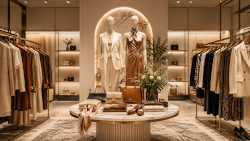
Apparel & Fashion Stocks
Apparel and fashion stocks represent companies involved in the design, manufacturing, and retail of clothing, accessories, and footwear. This sector has shown consistent growth driven by changing consumer preferences, fashion trends, and global market reach. Investors can benefit from both established brands and emerging players in this diverse industry.
Stock | Market Cap | Revenue | Price to Earnings | Dividend Yield | Explanation | |
|---|---|---|---|---|---|---|
 | COSTCostco Wholesale Corp | 421.1B | 293.5B | 47.65 | 0.55 | Costco sells clothing and apparel items, including seasonal and everyday wear, as part of its non-food offerings, connecting it to the apparel and fashion category. |
 | TJXTJX Companies Inc | 168.5B | 61.58B | 29.12 | 1.12 | The company provides a vast assortment of clothing through its stores such as TJ Maxx and Marshalls, featuring both family apparel and high-end designer fashion. |
 | CTASCintas Corp | 81.43B | 11.26B | 40.72 | 0.86 | Cintas Corporation primarily provides uniform rental services, offering a variety of uniforms and ancillary garments. This directly relates to the apparel and fashion industry as the company designs and supplies uniforms that enhance the professional image of businesses. |
 | ROSTRoss Stores Inc | 79.63B | 23.77B | 34.39 | 0.68 | The company provides a wide array of fashion merchandise, including name-brand and designer apparel, as a core part of its business model focusing on value-driven consumers. |
 | TGTTarget Corp | 69.94B | 106.3B | 20.27 | 2.94 | Target offers an assortment of stylish apparel and fashion merchandise, including both its proprietary brands and well-known national brands. This focus on fashion aligns with the company's mission to delight customers with new and stylish products. |
 | NKENike Inc | 60.09B | 46.39B | 19.34 | 4.01 | Nike produces a diverse range of athletic and casual apparel designed for specific consumer segments including Men's, Women's, and Kids'. Their strong branding in apparel complements their footwear offerings. |
 | TPRTapestry Inc | 31.36B | 8.00B | 20.53 | 1.04 | The company offers a diverse range of apparel and fashion items, including handbags, clothing, and accessories designed for both women and men. |
 | DGDollar General Corp | 26.38B | 43.07B | 16.86 | 1.97 | Dollar General provides a variety of apparel products for different demographics, including basics for infants and adults, making it relevant in the apparel and fashion market segment. |
 | RLRalph Lauren Corp | 23.61B | 8.35B | 24.03 | 0.93 | The company offers extensive collections of apparel for men, women, and children, including various brand lines tailored to different market segments. |
 | BURLBurlington Stores Inc | 22.25B | 11.91B | 35.67 | 0 | Burlington's primary product categories heavily feature women's, men's, and youth apparel, along with baby products. This focus on clothing and fashion items places them squarely within the apparel and fashion category. |
 | DKSDick's Sporting Goods Inc | 18.13B | 19.20B | 20.05 | 2.36 | The company includes athletic apparel within its product offerings, featuring a range of brands, including its own exclusive vertical brands, CALIA and DSG, tailored for different segments of athletic consumers. |
 | AVYAvery Dennison Corp | 13.71B | 9.24B | 19.46 | 2.14 | The company provides specialized solutions for the apparel industry, including sustainable packaging and innovative labeling materials that enhance branding and compliance for fashion businesses. |
 | FIVEFive Below Inc | 13.16B | 5.07B | 29.89 | 0 | The 'Style' category offers fashion accessories that resonate with the preferences of young consumers, making it a key component of Five Below's diverse merchandise strategy. |
 | LULULululemon Athletica Inc | 13.10B | 11.20B | 8.98 | 0 | Lululemon is primarily focused on creating performance-driven athletic apparel designed for various fitness activities, including yoga, running, and training. Their clothing line includes a wide range of women's and men's apparel, contributing significantly to their overall net revenue. |
 | DECKDeckers Outdoor Corp | 12.44B | 5.52B | 12.26 | 0 | Deckers designs, markets, and distributes a variety of apparel products through its brands, with a focus on innovative and stylish options for consumers. |
Future Outlook
- Sustainability and Ethical Fashion: Consumers are increasingly seeking sustainable and ethically produced fashion. This shift is pushing brands to adopt eco-friendly practices, offering new growth opportunities for companies that prioritize sustainability in their product lines and operations.
- Digital Transformation and E-Commerce Growth: The fashion industry is rapidly embracing e-commerce and digital innovations. Companies investing in online platforms, virtual try-ons, and digital marketing are positioning themselves to tap into a broader customer base, especially among younger, tech-savvy consumers.
- Influence of Social Media and Celebrity Endorsements: Social media platforms like Instagram and TikTok are shaping fashion trends. Brands leveraging influencer collaborations and targeted digital campaigns can reach global audiences quickly, making social media marketing a powerful tool for growth.
- Global Expansion into Emerging Markets: As disposable incomes rise in emerging markets, especially in Asia and Africa, there is significant potential for apparel brands to expand their footprint. This growth presents exciting opportunities for companies to tap into new markets with rising demand for fashion.
Risk Analysis
- Economic Sensitivity: The apparel sector is highly sensitive to economic cycles. During recessions or economic slowdowns, consumers tend to cut back on discretionary spending, which can negatively impact sales and stock performance in the fashion industry.
- Supply Chain Disruptions: Fashion brands depend heavily on global supply chains for materials and manufacturing. Disruptions, such as those caused by geopolitical tensions, pandemics, or natural disasters, can lead to delays, increased costs, and inventory shortages.
- Changing Consumer Preferences: Consumer preferences in the fashion industry can be unpredictable and fast-changing. Companies that fail to keep up with new trends or consumer demands for sustainability and innovation may face declining sales and stock performance.
- Intense Competition: The fashion industry is highly competitive, with numerous players ranging from luxury brands to fast fashion companies. Intense competition can lead to margin pressure, reduced profitability, and difficulty standing out in a crowded market.


