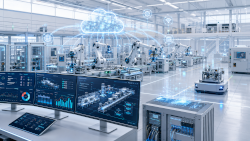
System Integration Moat
System integration moat stocks refer to companies that have established a sustainable competitive advantage in the field of system integration. These companies leverage technology, innovation, and strong networks to provide complex solutions that are difficult for competitors to replicate. For investors, these stocks present opportunities in high-growth sectors with high barriers to entry, positioning them as long-term investments in the evolving tech landscape.
Stock | Market Cap | Revenue | Price to Earnings | Dividend Yield | Explanation | |
|---|---|---|---|---|---|---|
 | JCIJohnson Controls International plc. | 92.55B | 24.99B | 25.86 | 1.06 | The company's ability to develop and integrate complex systems that combine multiple components, such as HVAC, security, and fire safety systems, provides a comprehensive solution for customers. This capability sets Johnson Controls apart by offering a one-stop-shop experience that is difficult for competitors to match. |
 | HONHoneywell International Inc | 74.58B | 36.13B | 9.08 | 4.12 | Honeywell's capability to develop and integrate complex systems, such as smart building technologies and industrial IoT solutions, distinguishes it from competitors. This integration ability allows Honeywell to offer comprehensive solutions that enhance operational efficiency for its customers. |
 | LHXL3Harris Technologies Inc | 54.14B | 22.93B | 28.89 | 1.7 | The company's expertise in developing and integrating complex systems across various platforms distinguishes it from competitors. This capability allows L3Harris to provide comprehensive solutions to its customers, enhancing customer loyalty and satisfaction. |
 | ROKRockwell Automation Inc | 50.12B | 8.97B | 41.74 | 1.22 | Rockwell Automation excels in developing and integrating complex systems that combine hardware and software solutions. This capability allows them to offer comprehensive solutions tailored to specific industry needs, making them indispensable to their customers compared to competitors who may only provide singular products. |
 | APTVAptiv PLC | 10.06B | 18.72B | 45.75 | 0.06 | Aptiv's ability to develop and integrate complex systems that combine hardware and software solutions in vehicles allows it to offer comprehensive solutions that enhance vehicle safety and performance. This capability is a significant differentiator compared to competitors that may only offer standalone products. |
 | NOVTNovanta Inc | 6.31B | 1.02B | 102.28 | 0 | Novanta excels in developing and integrating complex systems that combine multiple components or services, which is a critical capability in industries that require precision and reliability, setting it apart from competitors. |
 | SAICScience Applications International Corp | 5.33B | 7.29B | 13.19 | 1.27 | SAIC's ability to develop and integrate complex systems sets it apart from competitors, as it can deliver comprehensive solutions that meet the specific needs of its customers. This capability enhances customer loyalty and reduces the likelihood of customers switching to competitors. |
 | EPAMEPAM Systems Inc | 5.17B | 5.61B | 12.88 | 0 | EPAM's ability to develop and integrate complex systems that combine multiple components or services allows it to offer comprehensive solutions that many competitors cannot match, solidifying its competitive advantage. |
 | KBRKBR Inc | 4.80B | 7.68B | 11.33 | 1.77 | KBR has a strong capability in developing and integrating complex systems, which is crucial in their fields of operation. This ability to offer comprehensive solutions differentiates them from other companies that may only provide partial services. |
 | VCVisteon Corp | 2.84B | 3.77B | 18.81 | 1.65 | Visteon's ability to develop and integrate complex automotive systems positions it uniquely in the market, allowing it to offer comprehensive solutions that enhance vehicle performance and user experience. This capability is not easily matched by competitors. |
 | DXCDXC Technology Co | 1.70B | 12.48B | 13.76 | 0 | The company excels in developing and integrating complex IT systems, allowing them to offer comprehensive solutions that combine various services. This capability creates a significant barrier for competitors who struggle to provide the same level of integrated solutions, thus solidifying DXC's competitive advantage. |
 | EVHEvolent Health Inc | 471.4M | 2.09B | -0.93 | 0.41 | The company's ability to seamlessly integrate multiple healthcare services and systems enhances its value proposition, allowing for better coordination of care and improved outcomes, which is a significant advantage over competitors with less integrated solutions. |
 | OSSOne Stop Systems Inc | 332.9M | 23.26M | 258.8 | 0 | One Stop Systems excels in developing and integrating complex systems that combine multiple components and services, particularly in the fields of AI and machine learning. This capability allows them to deliver comprehensive solutions that meet the specific needs of their customers, further differentiating them from competitors. |
 | UISUnisys Corp | 206.3M | 1.94B | -0.49 | 0 | Unisys excels in developing and integrating complex systems that combine various services and technologies, which is essential in a market where clients demand seamless solutions. This capability gives them a competitive edge over companies that lack such integration expertise. |
Future Outlook
- Increased Demand for Automation: With industries focusing on automation to improve efficiency and reduce costs, companies specializing in system integration are seeing rising demand. These firms provide integrated solutions that enable businesses to automate workflows and processes, which helps enhance productivity across sectors like manufacturing, healthcare, and logistics.
- Cloud Computing Integration Growth: As cloud technology continues to evolve, more businesses are relying on integrated systems that combine on-premise and cloud solutions. Companies with expertise in cloud integration and management are expected to see significant growth, positioning themselves as essential players in the digital transformation of various industries.
- Expansion of IoT Networks: The proliferation of Internet of Things (IoT) devices presents an opportunity for system integrators to develop solutions that connect and manage vast networks of devices. As IoT networks expand, system integrators will play a pivotal role in ensuring seamless communication and integration of these devices into existing infrastructures.
- AI and Machine Learning Integration: The integration of artificial intelligence and machine learning into business operations is rapidly gaining traction. Companies that provide solutions for integrating AI-driven technologies into existing systems are poised to capture significant market share as industries look to leverage data and automation to make more informed decisions.
Risk Analysis
- Technology Obsolescence: The fast-paced nature of technological advancements means that companies in the system integration space must continuously innovate to remain competitive. Failure to adopt new technologies or adapt to industry changes could lead to obsolescence and a loss of market share.
- Intense Competition: The system integration market is highly competitive, with both large, established companies and smaller, agile firms vying for market share. This competition could lead to pricing pressures, reduced margins, and challenges in maintaining long-term profitability.
- Regulatory and Compliance Risks: As system integrators often deal with sensitive data and critical infrastructure, they are subject to stringent regulatory requirements. Changes in regulations, such as data privacy laws, could increase operational costs or create barriers to entry for companies seeking to expand into new markets.
- Cybersecurity Threats: System integration companies manage large, interconnected networks, making them prime targets for cyberattacks. A significant cybersecurity breach could damage the company's reputation, incur hefty costs, and undermine investor confidence, negatively affecting stock performance.


