Nuclear Energy Stocks
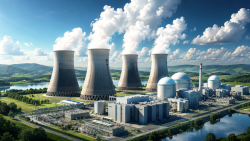
Nuclear energy stocks represent companies involved in the production, development, or innovation of nuclear power. These stocks are key to investors looking to capitalize on the growing demand for clean energy solutions. With the increasing global focus on reducing carbon emissions, nuclear energy plays a critical role in the future energy landscape.
Stock | Market Cap | Revenue | Price to Earnings | Dividend Yield | Explanation | |
|---|---|---|---|---|---|---|
 | GEGeneral Electric Co | 379.0B | 50.63B | 42.25 | 0.43 | GE produces nuclear power generation equipment, which is crucial for generating electricity with minimal carbon emissions, aligning with their efforts in promoting sustainable energy solutions. |
 | GEVGE Vernova Inc. | 276.9B | 41.36B | 29.06 | 0.15 | GE Vernova provides nuclear reactor design and modular reactor development services as part of its Power Segment, contributing to the safe generation of electricity through nuclear power. |
 | SOSouthern Co | 106.4B | 30.17B | 22.85 | 2.91 | Southern Company operates nuclear power plants through its subsidiary Southern Nuclear, making it a key player in the nuclear energy sector. |
 | CEGConstellation Energy Corp | 98.73B | 31.27B | 28.5 | 0.56 | Constellation Energy operates the largest carbon-free generation capacity in the nation, with a significant portion coming from its nuclear facilities, which produce zero-emissions electricity. This makes nuclear energy a core part of their service offerings. |
 | AEPAmerican Electric Power Company Inc | 67.85B | 22.79B | 22.64 | 3.3 | AEP includes nuclear power as part of its diverse energy mix, contributing to its overall electricity generation portfolio. |
 | ETREntergy Corp | 50.32B | 13.48B | 26.06 | 2.31 | The company has significant investments in nuclear power through its operations at several nuclear plants, contributing to its energy generation capacity and sustainability goals. |
 | VSTVistra Corp | 49.23B | 19.21B | 22.19 | 1.02 | Vistra owns and operates nuclear power plants as part of its diverse energy generation portfolio, contributing significantly to its overall generation capacity. |
 | PCGPG&E | 46.58B | 25.83B | 14.71 | 8.73 | As part of its electricity generation portfolio, PG&E also utilizes nuclear energy alongside other sources, contributing to its overall power generation capabilities. |
 | PEGPublic Service Enterprise Group Inc | 37.81B | 12.54B | 18.79 | 3.43 | PSEG Power, another subsidiary, focuses on electricity generation primarily from nuclear facilities, contributing to reliable energy production and sales within the PJM marketplace. |
 | FEFirstEnergy Corp | 27.20B | 15.82B | 25.07 | 3.82 | FirstEnergy's operations include managing electric generation capacity, which includes various fuel sources, although not exclusively nuclear, its presence in the regulatory landscape suggests a focus on diverse energy supply, including regulated utility operations associated with nuclear generation. |
 | CWCurtiss-Wright Corp | 26.72B | 3.65B | 49.39 | 0.13 | The company develops and maintains technologies for commercial nuclear power plants and provides products related to nuclear reactor technology, ensuring a significant role in supporting the energy sectors, particularly nuclear operations. |
 | TLNTalen Energy Corp | 17.49B | 3.43B | -94.55 | 0 | Talen Energy operates a nuclear power plant, the Susquehanna facility, which is a significant part of their generation capacity, providing reliable and zero-carbon power. |
 | BWXTBWX Technologies Inc | 15.80B | 3.51B | 44.51 | 0.61 | BWX Technologies Inc. specializes in the engineering and manufacturing of naval nuclear components, reactors, and nuclear fuel. Their primary customers include the U.S. Government and they focus on advanced nuclear technologies, positioning them as a leader in the nuclear power industry. |
 | PNWPinnacle West Capital Corp | 12.16B | 5.55B | 19.01 | 3.55 | APS owns a significant stake in the Palo Verde Nuclear Generating Station, which is the largest producer of carbon-free energy in the U.S., making nuclear energy a critical component of Pinnacle West's electricity generation portfolio. |
 | SOLSSolstice Advanced Materials Inc. | 9.88B | 3.88B | --- | --- | Solstice Advanced Materials offers uranium hexafluoride conversion services that are essential for the operation of nuclear power plants, making them a player in the nuclear energy sector. |
Future Outlook
- Growth in Clean Energy Demand: As nations seek to decarbonize their energy grids, nuclear energy presents a low-carbon solution that complements renewable sources like wind and solar. This growing demand for clean energy fuels investment in nuclear technology and infrastructure.
- Technological Innovations: New developments in nuclear fusion, small modular reactors (SMRs), and reactor safety could revolutionize the nuclear power industry, reducing costs and increasing efficiency. These innovations offer significant opportunities for investors.
- Government Support and Policy: With increasing global support for nuclear energy, governments are implementing favorable policies such as subsidies and long-term energy commitments. These policies create a conducive environment for growth in nuclear energy investments.
- Private Sector Investment: Private investment is flowing into nuclear energy companies, particularly those working on innovative reactor designs and nuclear waste management. This influx of capital provides a solid foundation for expansion in the sector.
Risk Analysis
- Regulatory Uncertainty: The nuclear energy sector is heavily regulated, and changes in government policies or safety standards can impact the financial performance of nuclear energy companies. Delays in regulatory approvals or shifts in policy can create uncertainty for investors.
- High Capital Expenditure: Nuclear power plants and related infrastructure require substantial upfront investment. The high capital costs associated with building and maintaining reactors can be a barrier to entry and might affect the profitability of companies in the sector.
- Public Perception and Safety Concerns: Nuclear energy faces scrutiny over its safety, particularly in the wake of historical incidents like the Fukushima disaster. Public concerns about nuclear accidents and waste management may lead to opposition, hindering the growth of the industry.
- Long Development Timelines: The development of new nuclear reactors or technologies takes years, often exceeding the timelines for other energy sources. These long lead times may delay returns on investment and create financial volatility for companies involved in the sector.


